

Red light therapy at home: what the evidence supports and which devices fit
We track 124 home red light devices in 7 shapes: masks, panels, beds and mats, hair caps, wands, wraps and pads and bulbs and lamps, priced $18.99 to $55,000. FDA 510(k) clearance found for 21 of 27 masks, 11 of 38 panels, 2 of 9 beds and mats, 13 of 15 hair devices, 8 of 15 wands, 0 of 14 wraps and pads and 0 of 6 bulbs and lamps.
Red light therapy, or photobiomodulation, shines low-power red and near-infrared light on the skin; researchers put its useful range at about 600 to 1,070 nm. The evidence is moderate for thinning hair, limited for wrinkles, acne and muscle recovery, and strong only for a clinic use in cancer care. What the studies show, use by use.
By Kirill Gissa · Updated

Categories
7 groups · 124 models · prices checked Oct 8, 2026Top pick in each category
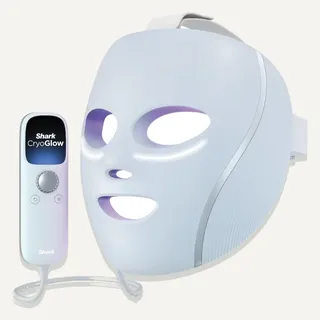
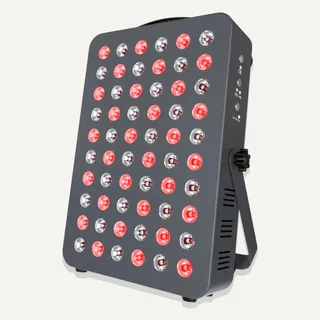
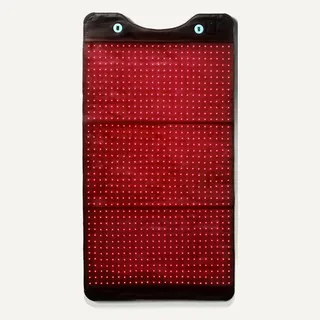
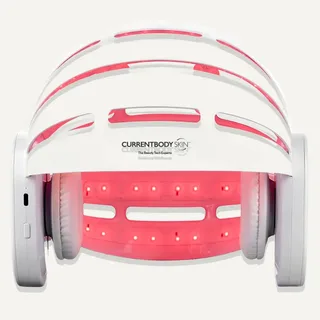
Best hair deviceLED Hair Growth Helmet (CurrentBody Skin LED Hair Regrowth, MZ-07)CurrentBody, score 9.5 out of 10
120 LEDs · 1.67 mW/cm² claimed · 2-yr warranty$859.99Check price 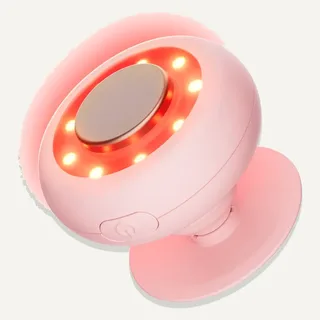
What red light therapy is
The medical name is photobiomodulation: light from lasers or LEDs, used at low power for its effect on cells rather than to heat tissue (Anders et al., 2015). A widely cited review describes an “optical window” of 600 to 1,070 nm, and says “wavelengths in the range 600–700 nm are used to treat superficial tissue, and longer wavelengths in the range 780–950 nm, which penetrate further, are used to treat deeper-seated tissues” (Chung et al., 2012).
Home devices follow that split. The most common wavelengths in our database are 660 nm (67 devices), 850 nm (59), 630 nm (39) and 830 nm (32), and 100 of the 124 devices pair a red wavelength with a near-infrared one.
Output is where home devices differ most, and where brands are least consistent. Of the 124 red light devices in our database, 53 don't publish an output figure at all, and 52 of the 71 that do don't say at what distance it was taken. Only 13 have been measured by someone outside the brand. Dose is output multiplied by time: 50 mW/cm² for 10 minutes delivers 30 J/cm², and the same panel twice as far away delivers much less.
More light isn't automatically better. The same review describes a “biphasic dose response”: “lower doses of light are often more beneficial than high doses,” and if the irradiance is too high or the session too long, “the response may be inhibited.” The idea comes from lab and animal work (Huang et al., 2009), and trials still haven't settled the best dose for skin (Jagdeo et al., 2018).
What the research supports, and what it doesn't
Evidence levels follow our four-step scale. Two caveats apply to the whole table: most of the stronger results come from lasers used in clinics rather than home LED panels and masks, and many trials were paid for by device makers.
| Use | Evidence | What the best studies found | Sources |
|---|---|---|---|
| Thinning hair (androgenetic alopecia) | Moderate | A 2025 meta-analysis of 38 studies with 3,098 patients found higher hair density with laser and LED devices than with placebo, though results varied widely. Four sham-controlled trials of a laser comb (269 people) found more hair after 26 weeks. | Perez 2025, Jimenez 2014 |
| Wrinkles and skin aging | Limited | Small trials with different settings. In a 2025 sham-controlled trial of a 660 nm mask (95 women), specialists' wrinkle scores didn't differ from sham, while software-measured wrinkle length did. A 2018 review graded the evidence for skin rejuvenation C. | Bragato 2025, Jagdeo 2018 |
| Acne | Limited | A 2016 Cochrane review of 71 trials: “High-quality evidence on the use of light therapies for people with acne is lacking.” A 2025 meta-analysis of six trials of home LED devices (216 people) found inflammatory spots fell about 45% more than in control groups. | Barbaric 2016, Ershadi 2025 |
| Neck pain | Moderate, clinic lasers | A 2009 meta-analysis in The Lancet (16 trials, 820 patients) found less neck pain with low-level laser applied in a clinic than with placebo. Home panels weren't part of it. | Chow 2009 |
| Knee osteoarthritis | Limited | Meta-analyses disagree: one found no effect, a later one found an effect at the recommended laser doses. | Huang 2015, Stausholm 2019 |
| Muscle performance and recovery | Moderate for a small effect; limited for whole-body beds | Light applied to a muscle before exercise had a small effect on endurance and muscle damage markers. For whole-body beds, a 2025 review of five studies (105 people) found “no evidence of benefits for exercise recovery or performance.” | Leal-Junior 2015, Álvarez-Martínez 2025 |
| Mouth sores during cancer treatment (oral mucositis) | Strong, clinic only | International supportive-care guidelines (MASCC/ISOO) recommend photobiomodulation inside the mouth, with specific laser settings, to help prevent mucositis with stem cell transplants and head-and-neck radiotherapy. It isn't a home use. | Zadik 2019, Elad 2020 |
A study result describes the people in that study and the device they used. It isn't a promise for yours. Red light therapy benefits goes through each use, and red light mask before and after shows what trials measured week by week.
Red light vs LED light therapy
“LED” names the light source and “red” names the color, so most red light therapy at home is LED light therapy. The terms blur because many LED masks add blue light: 36 of the 124 devices in our database include a blue wavelength, 14 of them masks.
Blue light is aimed at acne. The trials point to blue and red together more than to either alone: blue on its own gave limited results in a 2019 meta-analysis (Scott 2019), red on its own did no better than standard acne treatments in a 2021 one (Wu 2021), and the combination did best in an earlier randomized trial (Papageorgiou 2000). Blue also carries more risk for the eyes; see Using it safely.
Lasers are the other source. Laser combs and some hair caps use low-power lasers, and most of the clinic research on pain was done with lasers, not LEDs.
Types of home devices
There are five common shapes, plus wraps and bulbs, and the shape decides more than the brand does: how much of you it covers, how long a session takes, and whether there's an FDA clearance at all.
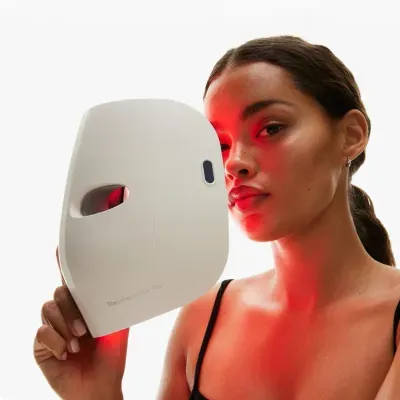
Masks · 27 models, $179 to $895
They cover the face and nothing else. This is the shape most likely to be FDA cleared: 21 of 27 masks we track have a 510(k). Brands give sessions from 3 to 30 minutes, with 10 minutes the most common.
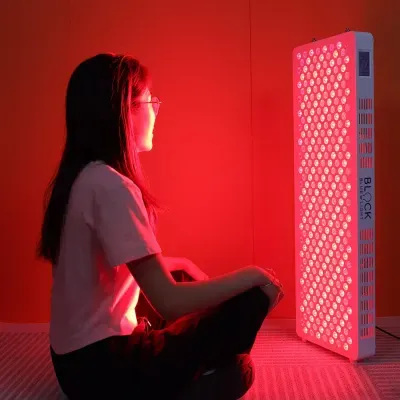
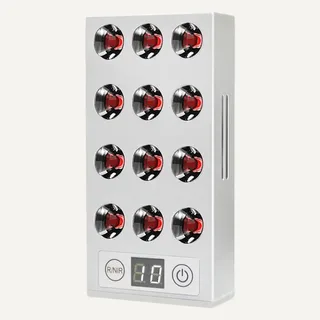
Panels · 38 models, $199 to $11,099
You stand or sit in front of a panel, so one device can cover the face, back or legs, a section at a time. Distance is part of the instructions: Mito recommends 12 to 18 inches for its MitoPRO+ series, and Joovv 16 to 24 inches for its third-generation panels. Only 11 of the 38 panels have a 510(k), all of them Celluma's flexible pads (see the Celluma review); 25 are listed with the FDA only.
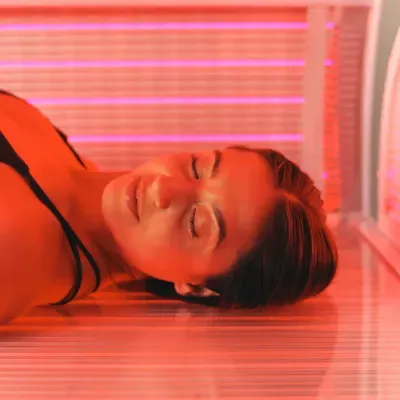
Beds and mats · 9 models, $1,199 to $55,000
Mats and blankets you lie on start around $1,199. Pod-style professional beds run into five figures or are sold on request. 2 of the 9 have a 510(k).
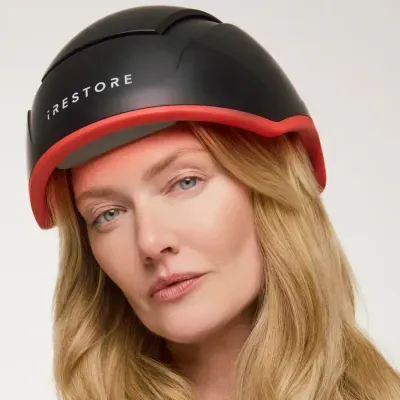
Hair caps and helmets · 15 models, $299 to $2,499
Worn on the head, most on a fixed schedule set by the brand, from a 90-second session three times a week to 30 minutes every other day. 13 of 15 are FDA cleared, with indications written into each 510(k).
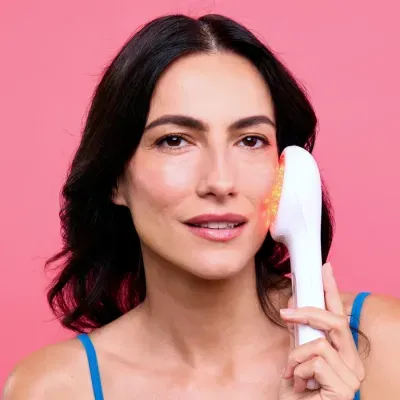
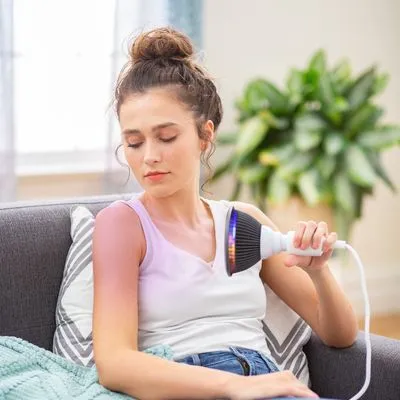
Wands and handhelds · 15 models, $45 to $549
The cheapest way in, and the smallest area: most are used a few minutes per zone. 8 of 15 have a 510(k).
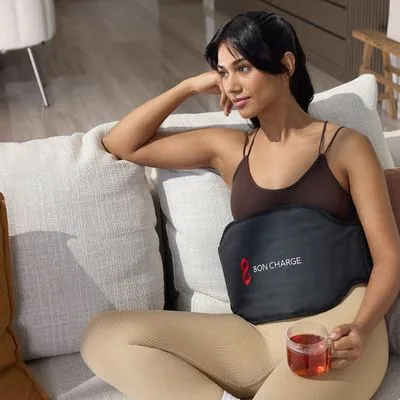
Wraps, belts and pads · 14 models, $125 to $509.90
Flexible LED pieces you strap around a knee, a shoulder or the lower back. Several brands buy them from the same factory, and none has a 510(k) of its own: 9 are listed with the FDA only.
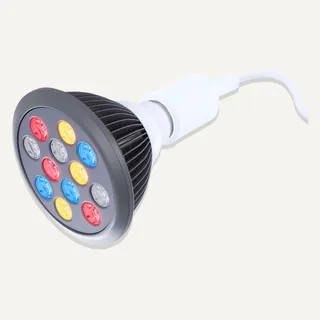
Bulbs and lamps · 6 models, $18.99 to $695
LED therapy bulbs and 250-watt heat lamps that screw into a socket. They're the cheapest option, and the weakest: what a spectrometer measured from a bulb against a panel is on the bulbs page.
For dogs and horses · 10 models, $189.95 to $2,495
Pads, wraps, a vest and a crate sold for pets and horses. The FDA doesn't review devices for animals, and no study has tested a home pet device by brand; what vet trials found is on the pets page.
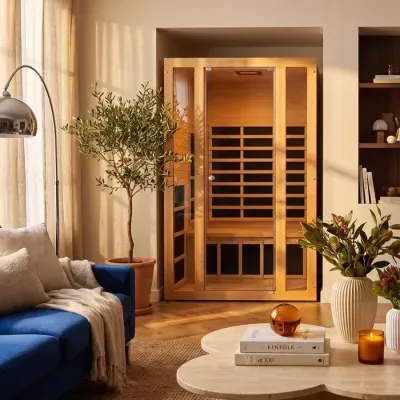
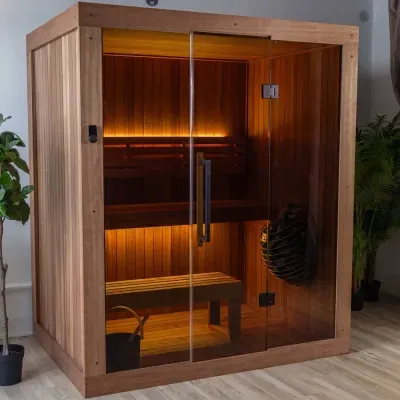
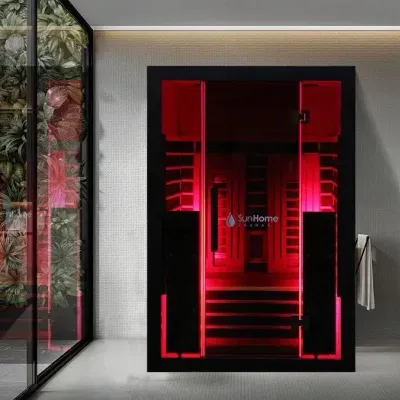
Red light also comes built into some infrared saunas: red light saunas (10 models, $959 to $13,899). For one shortlist across all shapes, see the best red light therapy devices.
FDA cleared, registered, “approved”
Cleared means the FDA reviewed a 510(k) and found the device “substantially equivalent” to one already legally on the market; that order “clears” the device for sale (FDA). The clearance covers the uses written into it. Masks are usually cleared under product code OHS, which the FDA defines as “light based treatment to reduce wrinkles,” and hair caps under OAP, for hair growth in androgenetic alopecia. Clearance isn't a verdict on how well a device works. The American Academy of Dermatology puts it bluntly: “FDA cleared doesn't tell you anything about how effective the device is” (AAD).
Registered or listed means the company told the FDA it makes or sells the device. The FDA says that entry “does not denote approval, clearance, or authorization” and that it doesn't issue registration certificates (FDA).
Approved belongs to a different process, premarket approval, meant for Class III devices: those that “support or sustain human life” or carry a potential unreasonable risk (FDA). Home red light devices are Class II, so a label calling one of them approved by the FDA is using the wrong term.
In our database, 55 of 124 red light devices have a 510(k) clearance; among panels, only Celluma's flexible pads do (11 of 38). Clearances also tell you who stands behind the paperwork. 10 of the 55 cleared devices list the same applicant, Shenzhen Kaiyan Medical Equipment Co., Ltd., under 4 brand names: HigherDOSE, Solawave, Kala and CurrentBody. Bon Charge and Mito Red Light even sell masks under the same 510(k), K221775. The FDA-cleared device list has every K number, and FDA-cleared LED face masks goes model by model.
Using it safely
Here's what the brands' own manuals and support pages say.
- Eyes. Mito tells panel users that “eye protection should be worn when facing the lights, particularly when NIR is active” (MitoPRO+ manual). Joovv includes eyewear for near-infrared mode and says it isn't required in red-only mode (Joovv support). CurrentBody says its mask “can safely be used without goggles” and includes a pair for comfort (user guide).
- Medication that makes skin sensitive to light. CurrentBody asks you to check with a doctor first if you take “prescription or over-the-counter drugs known to cause light sensitivity”. Joovv's list of examples names tetracycline, digoxin and Retin-A (Joovv contraindications).
- Pregnancy. Joovv, Mito and CurrentBody all say to talk to your doctor before using a device while pregnant; Joovv and Mito add breastfeeding. Joovv's reason: “there has been little clinical research done on red light therapy treatments for pregnant or nursing subjects.”
- Skin cancer, suspicious spots, thyroid. CurrentBody and Mito say to ask a doctor if you have suspicious or cancerous lesions. Mito and Joovv list an overactive thyroid as a precaution, and Mito ties it to the neck and chest.
- A patch test. CurrentBody's guide asks for a 10-minute test on your arm first. If the area stays red for more than two hours, your skin is sensitive to light.
Eye injuries from masks are rare and documented only in case reports, but they exist. A 2020 report described retinal damage in a woman who used a mask with blue LEDs and open eye areas (Kim 2020), and a 2026 report described acute angle closure and fluid build-up at the back of both eyes in a woman two weeks into using a red light mask; she recovered after stopping (Labkovich 2026). A lab test of four cosmetic masks found some put out more light than sunlight, despite similar session times (Baeza-Moyano 2026).
The best-known recall points the same way. In 2019 Johnson & Johnson recalled the Neutrogena Light Therapy Acne Mask, which used blue and red light. The Australian recall notice gives the reason as “reports of generally mild, rare and transient visual adverse events, and concerns around the safety of blue light on the eyes,” and says people with conditions such as retinitis pigmentosa or ocular albinism, or taking “medications that could enhance ocular photosensitivity,” “may be at risk of retinal damage” (recalls.gov.au).
Two more points from dermatologists. People with darker skin are more sensitive to visible light, which can lead to dark patches, and sunglasses aren't a substitute for the goggles a manual asks for (AAD).
The full safety picture, from cancer studies to eye risks and pregnancy, is in is red light therapy safe?; session length and frequency by device are in how to use red light therapy.
None of this is medical advice; the medical disclaimer says when to ask a doctor first.
What people actually report
I read through recent threads on r/RedLightTherapy. These five themes come up again and again. They're owners' experiences, not evidence.
- Results take weeks, and some people see none. One owner wrote: “It's not a quick fix. I've been using mine >2 years on my face and I've definitely seen improvement. After 2 months nothing obvious.” The same thread, titled “Omnilux did absolutely nothing for me after 2 months”, also has replies like “It did nothing for me, either.” (another thread on how long it took)
- Owners distrust panel output figures and measure their own. A poster who checked a budget panel concluded that “the rule of thumb that the manufacturer's values are twice the real values is in the right ballpark” (thread). Home meters have their own problems, which owners argue about too (thread).
- Eyes split opinion. Some skip goggles. Others write that near-infrared feels uncomfortable “even when wearing goggles or a sleep mask” (thread), and mask owners complain about brightness around the eyes (thread).
- Mask fit matters. One owner sold an Omnilux Contour “because I hated how it fit. It was way too big on my face” and praised the chin strap on CurrentBody's mask (thread); another, who wears a CurrentBody mask most days, wrote “I hate how the mask presses on my nose” (thread).
- Dryness and irritation at the start. Common advice in these threads is to cut session time or sit farther back: “If my skin acts stressed, dry, or inflamed I reduce light time and/or increase the distance” (thread).
Brands we cover
Full reviews, with every model each brand sells, its warranty and its FDA records:
- Celluma: 14 models in our database
- Hooga: 12 models in our database
- Sun Home: 12 models in our database
- Almost Heaven: 11 models in our database
- Bon Charge: 11 models in our database
- Clearlight: 11 models in our database
- Joovv: 8 models in our database
- Kala: 6 models in our database
- Solawave: 6 models in our database
- Redwood Outdoors: 5 models in our database
- CurrentBody: 4 models in our database
- Omnilux: 4 models in our database
- PlatinumLED: 4 models in our database
- Heavenly Heat: 3 models in our database
- Shark: 2 models in our database
- LumeBox: 1 model in our database
- Qure Skincare: 1 model in our database
Every other brand is on the brands page.
Guides
What the research says
A study result is not a promise for any device.
Low-Level Laser and LED Therapy in Alopecia: A Systematic Review and Meta-Analysis
Pooled 38 studies with 3,098 patients. Hair density rose more with laser and LED devices than with placebo, both before and after 20 weeks, though results varied widely between studies.
Read the studyRole of photobiomodulation application frequency in facial rejuvenation: randomized, sham-controlled, double-blind, clinical trial
95 women used a 660 nm mask for 21 minutes, two or three times a week for four weeks. Wrinkle scores from specialists didn’t differ from sham; wrinkle length measured by software did. Three sessions a week did no better than two.
Read the studyAt-Home LED Devices for the Treatment of Acne Vulgaris: A Systematic Review and Meta-Analysis
Six randomized trials, 216 people with mild to moderate acne. Inflammatory spots fell about 45% more than in control groups. The authors warn the results “might not be generalizable to other devices currently on the market.”
Read the studyQuestions
What are the negatives of red light therapy?
Mostly time, money and uncertainty. Results take weeks of regular use, and blinded trials often show less than owners hope for: in one sham-controlled mask trial, specialists' wrinkle scores didn't differ from sham (Bragato 2025). Brand output figures are hard to trust, and the devices we track cost $18.99 to $55,000. Side effects in trials were mild, but there are case reports of eye injury from masks, and the manuals list people who should ask a doctor first. See Using it safely.
What does Mayo Clinic say about red light therapy?
Mayo Clinic has no single page on it; its dermatologists cover it in a few places. Dr. Dawn Davis says red light can be used for acne and for sun-damaged skin, but advises talking to a dermatologist before buying over-the-counter masks and wands, “which may not be effective or safe” (Mayo Clinic Minute, April 2024). Dr. Elika Hoss says home LED masks give “subtle improvements,” work less well than office devices and lack long-term studies, and she recommends eye protection. Her verdict: “given that results are mild, I do not currently recommend them” (Mayo Clinic Press, May 2024). Mayo's hair loss page says of low-level laser devices that “a few small studies have shown that it improves hair density” (Mayo Clinic).
Is 10 minutes of red light therapy enough?
Ten minutes is the most common setting, not a proven dose. 15 of the 27 masks we track give a session that is 10 minutes or a range that includes it, and studies have used sessions of about 3 to 25 minutes. What counts is the dose, which depends on how strong the light is: a red LED mask trial used 21 minutes at 6.4 mW/cm², about 8 J/cm² (Bragato 2025), while laser hair combs were tested at 8 to 15 minutes, three times a week (Jimenez 2014). Follow the time in your device's manual.
What happens if you use red light therapy every day?
Studies differ. Some used daily sessions, for acne and skin texture; others used two or three a week, for wrinkles and hair. In one mask trial, three sessions a week did no better than two (Bragato 2025). Manuals differ too: Mito recommends 4 to 6 sessions a week with at least one day off, Joovv once a day with at least 6 hours between sessions on the same area, and CurrentBody's mask guide says “Use daily” in one place and 4 times a week in another. Because of the biphasic dose response, more often isn't automatically better, and owners who get dry or irritated skin usually cut back.