9.25/10
HigherDOSE
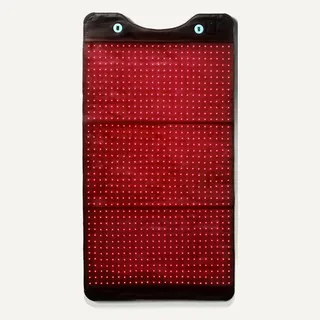
Full Body Red Light Mat
$1,199higherdose.com
660 · 850 nm
FDA cleared1,000 LEDs90 mW/cm² claimed1-yr warranty
 Masks27 models · from $17921 FDA cleared
 Panels38 models · from $19911 FDA cleared
 Beds and mats9 models · from $1,1992 FDA cleared
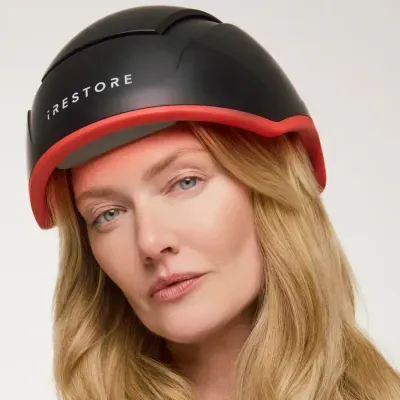 Hair caps15 models · from $29913 FDA cleared
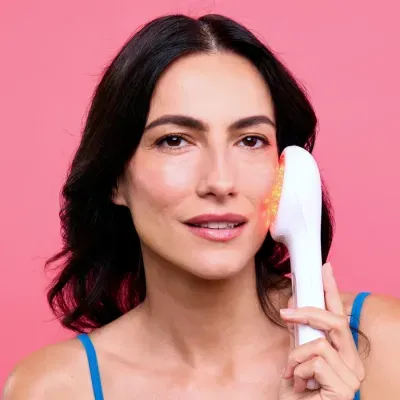 Wands15 models · from $458 FDA cleared
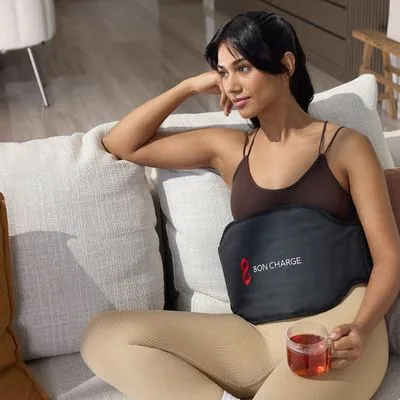 Wraps and pads14 models · from $1250 FDA cleared
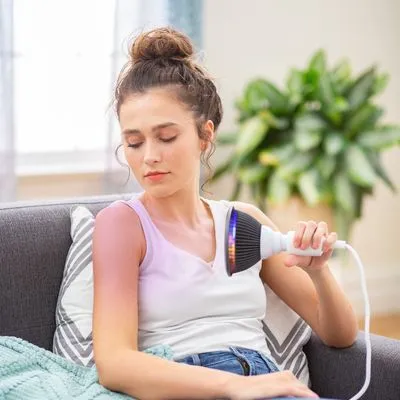 Bulbs and lamps6 models · from $18.990 FDA clearedAll red light devicesBrowse 124 →
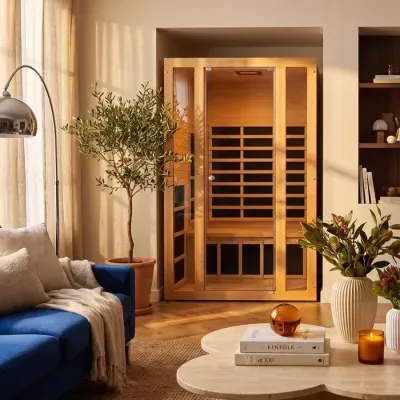 Infrared saunas56 models · from $2,199
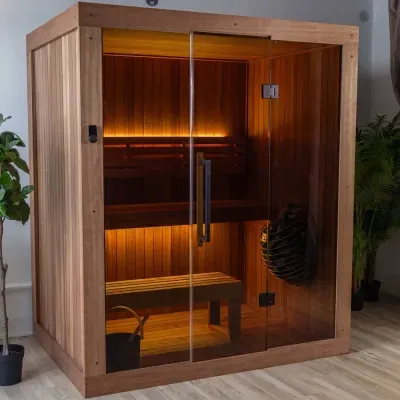 Dry saunas17 models · from $4,172
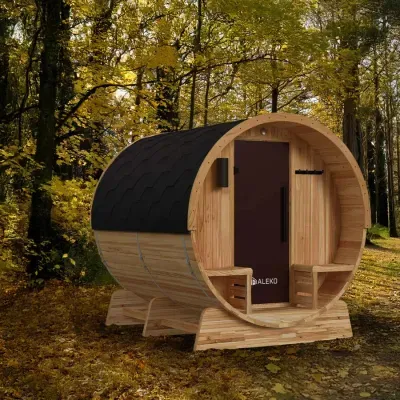 Outdoor saunas25 models · from $4,036.50
 Outdoor infrared7 models · from $5,339
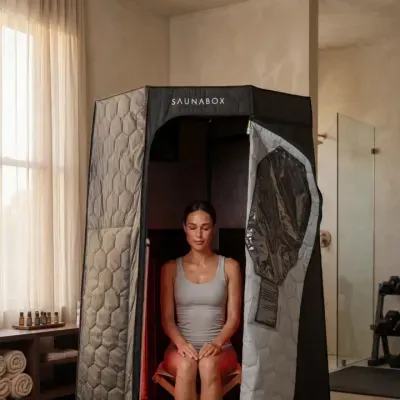 Portable saunas8 models · from $199.99
 Sauna blankets12 models · from $179
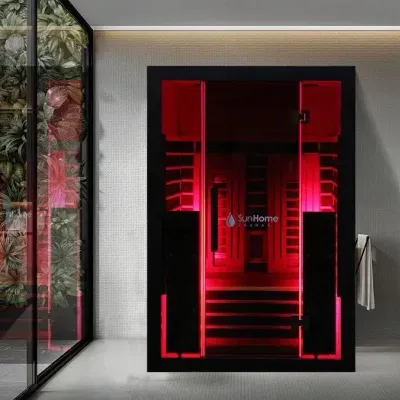 Red light saunas10 models · from $959
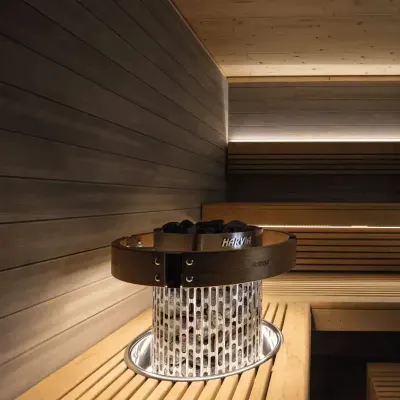 Sauna heaters12 models · from $1,195
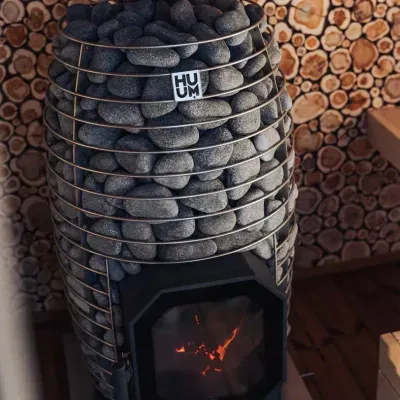 Wood stoves8 models · from $969
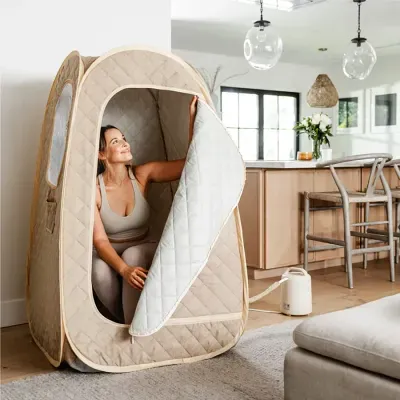 Steam tents10 models · from $72.99
 Sauna kits8 models · from $3,990All saunasBrowse 179 →
9 beds and mats compared on wavelengths, output, warranty and 510(k) records. Our top pick is the HigherDOSE Full Body Red Light Mat, $1,199. Read the full summary ↓
 By Kirill Gissa · Published · Prices checked Oct 8, 2026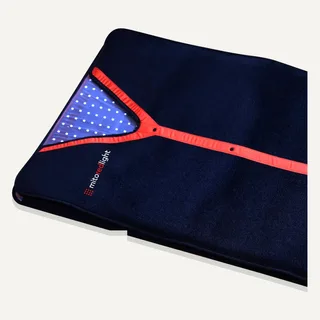
| Model | FDA | Price | Wavelengths | LEDs | Brand irradiance | Measured | Warranty | Returns |
|---|---|---|---|---|---|---|---|---|
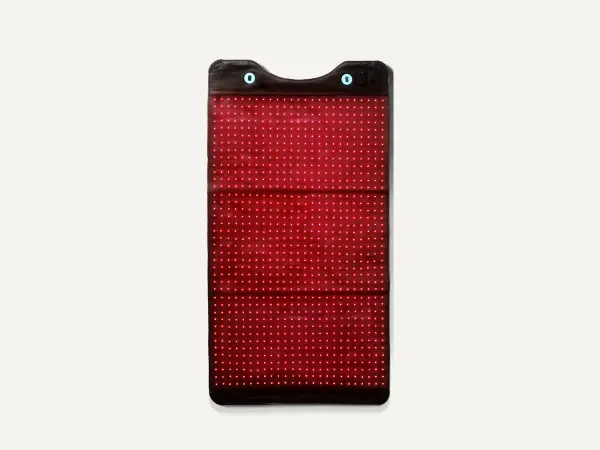
| HigherDOSE Full Body Red Light Mat | FDA clearedK241947 | $1,199 | 660, 850 nm | 1,000 | 90 mW/cm² (distance not stated) | Not measured | 1 year | 120 days |
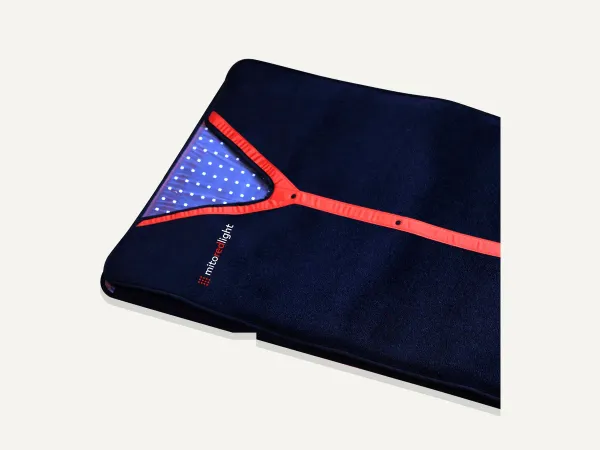
| Mito Red Light MitoPOD | FDA listed · no 510(k) | $1,699 | 660, 810, 830 nm | 2,320 | 30 mW/cm² (peak), at the surface directly above the LED | Not measured | 1 year | 60 days |
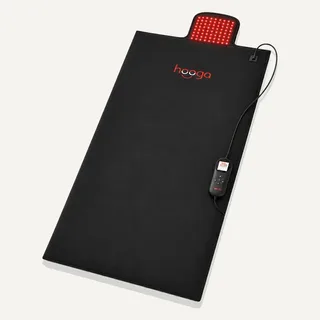
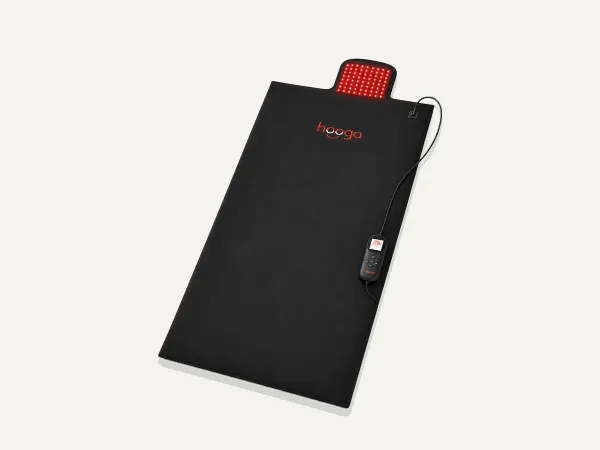
| Hooga Red Light Therapy Full Body Blanket (formerly Pod XL) | Not in FDA database | $1,399 | 660, 850 nm | 2,680 | Not stated | Not measured | 2 years | 60 days |
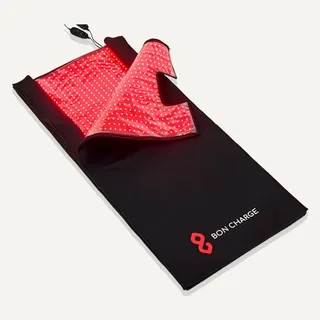
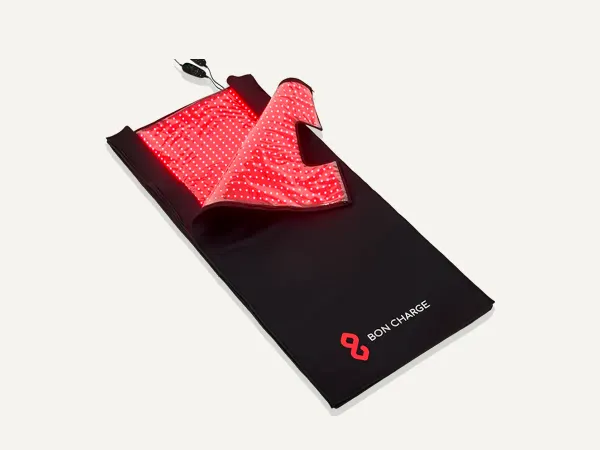
| Bon Charge Red Light Therapy Blanket | FDA listed · no 510(k) | $1,999 | 660, 850 nm | 2,520 | More than 170 mW/cm² (distance not stated) | Not measured | 1 year | 30 days |
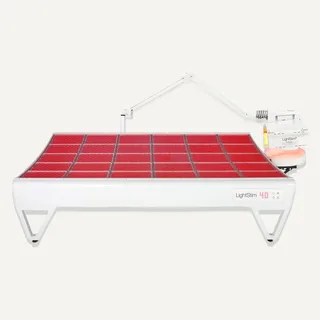
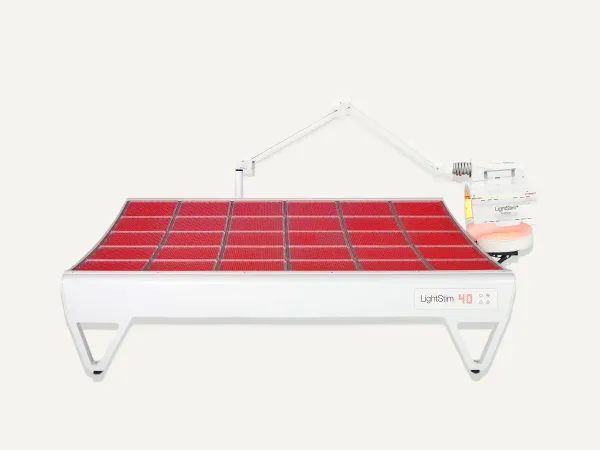
| LightStim LED Bed Pro | FDA clearedK153399 | $55,000 | 630, 660, 855, 940 nm | 18,000 | Not stated | Not measured | 5 years | Not stated |
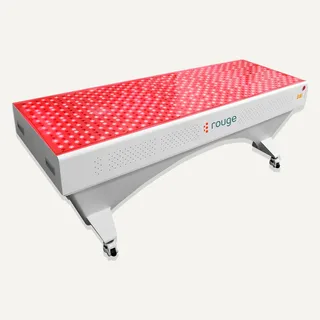
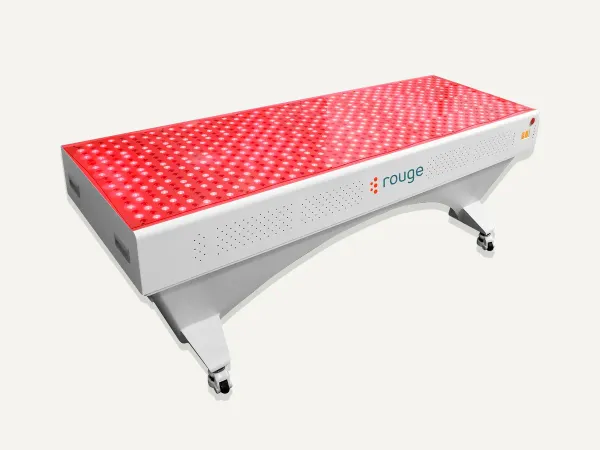
| Rouge Horizon Red Light Therapy Bed | Not in FDA database | $19,900 | 630, 1060 nm | 1,152 | 140 mW/cm² at the surface | Not measured | 3 years | 60 days |
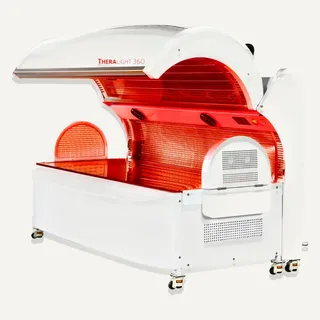
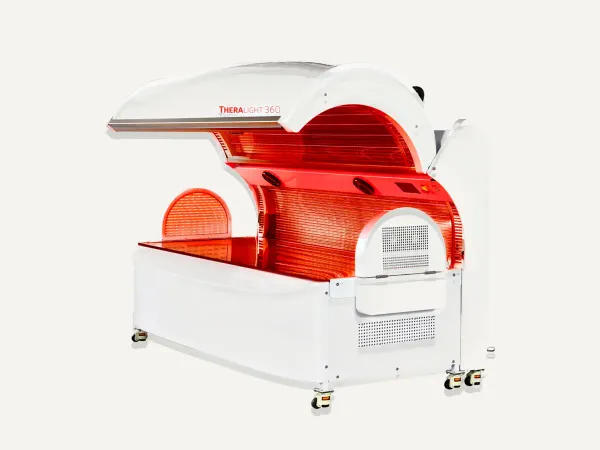
| TheraLight 360 | FDA listed · no 510(k) | Price on request | 633, 810, 850, 940 nm | 45,000 | Not stated | Not measured | 5 years | Not stated |
| THOR Photomedicine NovoTHOR | FDA listed · no 510(k) | Price on request | 660, 850 nm | Not stated | Not stated | Not measured | 5 years | Not stated |
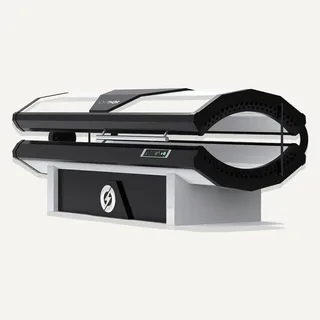
| Prism Light Pod | FDA listed · no 510(k) | Price on request | 630, 660, 850 nm | 17,000 | 100 mW/cm² ("360° coverage at 100 mW/cm²", distance not stated) | Not measured | Not stated | Not stated |
We track 9 beds and mats. HigherDOSE Full Body Red Light Mat has the highest score, 9.25/10. 2 of 9 have an FDA 510(k) clearance on record. The lowest-priced FDA-cleared option is HigherDOSE Full Body Red Light Mat at $1,199. Prices run $1,199 to $55,000, checked Oct 8, 2026. 3 models are price on request.
For home, a full-body mat or blanket costs $1,199 to $1,999. The HigherDOSE Full Body Red Light Mat is the one with a 510(k) and the longest trial period (120 days); the Hooga Red Light Therapy Full Body Blanket (formerly Pod XL) has the longest warranty of the home models, 2 years. The beds in studios cost $19,900 and $55,000 where a price is published at all.
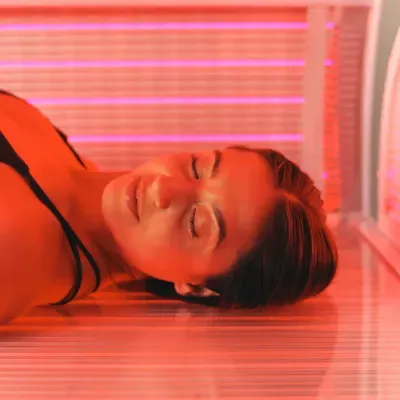
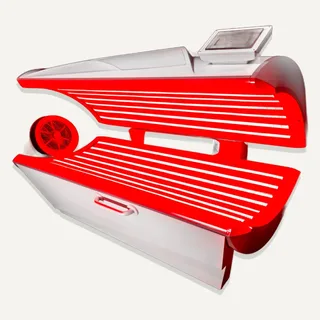
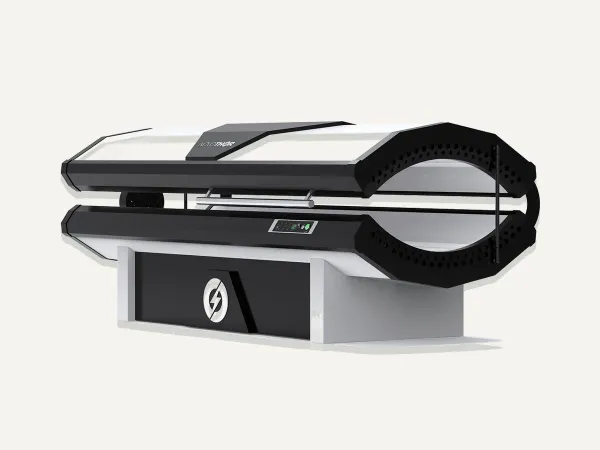
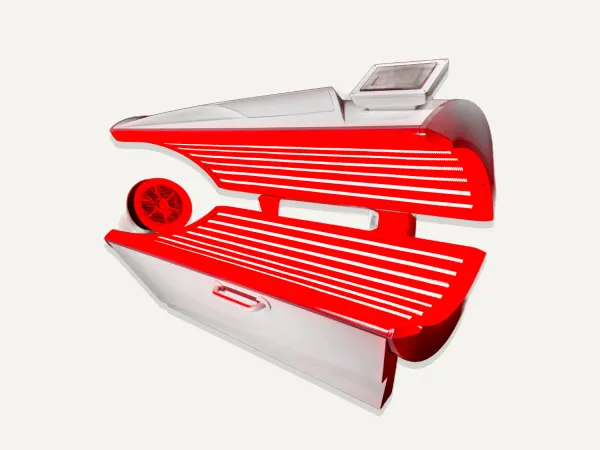
"Red light bed" means two different things. At home it is a flexible mat or blanket with LEDs on one side, or a pod you lie in. In a studio it is a hard-shell bed that lights you from above and below at once. This table is the home kind.
| Model | Price | Wavelengths | LEDs | Brand output | Sessions | FDA | Warranty / returns |
|---|---|---|---|---|---|---|---|
| HigherDOSE Full Body Red Light Mat | $1,199 | 660 and 850 nm | 1,000 | 90 mW/cm² (distance not stated) | 20 / 30 / 40 / 60 min | Cleared, K241947 | 1 year (limited) / 120-day money-back guarantee |
| Hooga Red Light Therapy Full Body Blanket (formerly Pod XL) | $1,399 | 660 and 850 nm | 2,680 | Not published | 10–20 min (auto-off after 25) | No record | 2 years / 60 days |
| Mito Red Light MitoPOD | $1,699 | 660, 810 and 830 nm | 2,320 | 30 mW/cm² (peak), at the surface directly above the LED | Timer 1–20 min | Listed, no 510(k) | 1 year / 60 days |
| Bon Charge Red Light Therapy Blanket | $1,999 | 660 and 850 nm | 2,520 | More than 170 mW/cm² (distance not stated) | 10–30 min | Listed, no 510(k) | 1 year / 30 days |
None of these has an independent output test, so the output column is the brand's own and mostly comes without a distance. HigherDOSE 90 mW/cm² (distance not stated), Bon Charge more than 170 mW/cm² (distance not stated). Mito is the exception that says how it measured: 30 mW/cm² (peak), at the surface directly above the LED, which is a modest number stated honestly.
The trade-offs are plain. HigherDOSE gives the longest return window and the FDA file but only 1 year of warranty. Hooga gives 2 years but no FDA record, and says itself the blanket is a wellness device. Bon Charge costs the most of the four and has 30 days to return it.
Smaller flexible pieces, the belts, wraps and pads you strap onto a knee or lower back, are compared in red light therapy wraps and pads.
These are sold to clinics, gyms and studios, often through a sales team. I list what their makers publish; they aren't in the home picks.
The LightStim bed is the one with a clearance, and its 510(k) is not about skin: K153399 covers topical heating to relieve muscle and joint pain and to increase local blood circulation.
One of the larger skin trials in this field used beds. In a 2014 randomized trial of 136 people, Wunsch and Matuschka had volunteers lie in large-area red light units twice a week for 30 sessions. Treated groups had better skin complexion and roughness and higher collagen density on ultrasound than the untreated controls. A detail that matters for shoppers: the broad red-to-infrared spectrum "showed no advantage over the red-light-only spectrum". The control group got no treatment rather than a sham, so expectation can't be ruled out.
The higher claims you'll see for beds, from recovery to fat loss, have thinner evidence. HigherDOSE's mat is cleared for three uses that show how narrow a clearance can be (see below). For what red light does and doesn't do, see the benefits page; nothing here is medical advice (medical disclaimer).
Two of the 9 models have a 510(k), and one of them comes with a caveat. The HigherDOSE Full Body Red Light Mat is tied to K241947 through an FDA listing called "HigherDOSE Red Light Mat", held by Shenzhen Kaiyan Medical Equipment Co., Ltd., which also filed the 510(k). The 510(k) itself is for "EnergyLounger", described as "designed similar to a recliner, with 1260 LED lights", while HigherDOSE lists 1,000 LEDs for its mat and doesn't mention the FDA on the product page. I count it as cleared because the listing says so; I can't confirm the mat you buy is the device in the file.
That clearance covers three modes: one "to reduce the circumference of the hips, waist and thighs", one for "full-face wrinkles", and one for topical heating "for a temporary relief of minor muscle and joint pain and stiffness". The LightStim LED Bed Pro is cleared only for the heating use: muscle and joint pain, local circulation and muscle relaxation.
The rest are Mito Red Light, Bon Charge, TheraLight, THOR Photomedicine and Prism Light Pod with a Class II listing and no 510(k), and Hooga and Rouge with no FDA record. All red light clearances are on the FDA-cleared devices page.
A panel lights the side of you that faces it and needs a wall or a stand. A mat lights the side lying on it, a blanket can fold over you, and a pod lights you from more than one side. So a mat is the easy way to do your back while lying down, and a panel is the easy way to do the front while standing. A panel wins on output you can check: 10 panels have an independent measurement and no mat does. It also costs less if you only need one area: the cheapest panel is $199.
Don't confuse either with an infrared sauna blanket: that is a heated bag for sweating, not a light device. Those are on the sauna blankets page, and cabins that add red light panels to an infrared sauna are on the red light saunas page.
They are different machines that sometimes share a name. A tanning bed is a sunlamp product: under 21 CFR 1040.20 it emits ultraviolet light "between 200 and 400 nanometers, to induce skin tanning". The FDA warns that UV from the sun or tanning beds "can cause: Skin cancer, Skin burns, Premature skin aging, Eye damage", and requires the label to say it "should not be used on persons under the age of 18 years". The beds on this page emit red and near-infrared light, no UV.
The confusing part is "collagen bed". New Zealand's consumer group uses it for a red light bed that emits red and near-infrared "instead of UV rays". In some tanning salons it means a hybrid that combines UV tubes with red ones, as Refinery29 reported in 2026. If a salon bed tans you, it has UV in it, whatever the sign says. Ask what the lamps are before you lie down.
What to wear. The manuals that address it say bare skin. PlatinumLED's manual says the area should be "fully exposed to the light and not covered by any fabric or clothing"; Hooga's manual says the same in fewer words.
How long and how often. Mito's manual for its mat and pod suggests 10 to 15 minutes per area, 4 to 10 times a week, at least 6 hours apart on the same area, with one day off a week, and starting with 4 to 5 minutes. HigherDOSE's mat has presets of 20 / 30 / 40 / 60 min.
Eyes. Mito says eye protection "should be worn when facing the lights, particularly when NIR is active" (MitoPRO manual). Lying face-up on a pod or under a canopy puts the LEDs right in front of your eyes, so use the goggles.
The manuals agree on asking a doctor first if you're pregnant, on photosensitizing medication, have suspicious or cancerous lesions, or recently had a steroid injection (Mito). Mito adds recent burns, lupus and hyperthyroidism when the neck is exposed. Don't use a bed while asleep: Mito and Hooga both say not to let sleeping people use the device.
For tanning, a bed works because of its UV, and UV is what the FDA links to skin cancer and premature aging. Adding red tubes to a UV bed doesn't cancel that. A red light bed without UV won't tan you. Its own evidence is covered above.
As little as you're comfortable with. Light doesn't pass through fabric, and the manuals say the area being treated should be uncovered. Goggles for the eyes.
Brands suggest several sessions a week with rest days: Mito says 4 to 10 times a week with at least one day off. The bed trial used two sessions a week for 30 sessions. More often isn't shown to be better.
Every bed gets 1.5 to 2 points on each of 5 criteria: FDA record, published specs, price, warranty and returns and owner reviews. The score out of 10 is the sum, from 7.5 to 10. Prices were checked on Oct 8, 2026. Read the full method.