



FDA-cleared red light therapy devices: the full list with 510(k) numbers
 By Kirill Gissa · Published
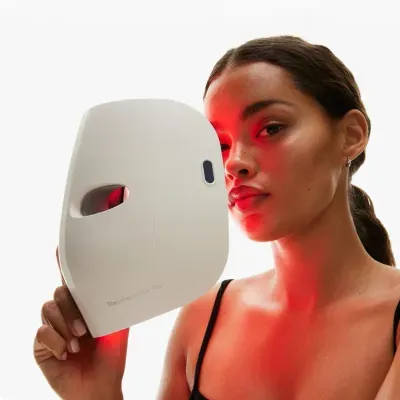
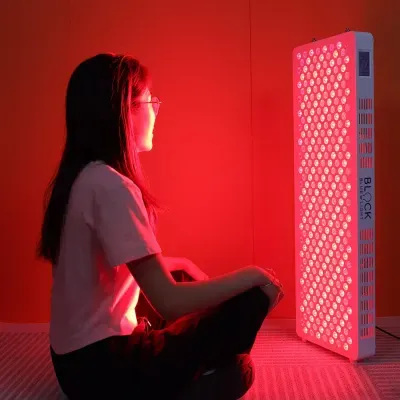
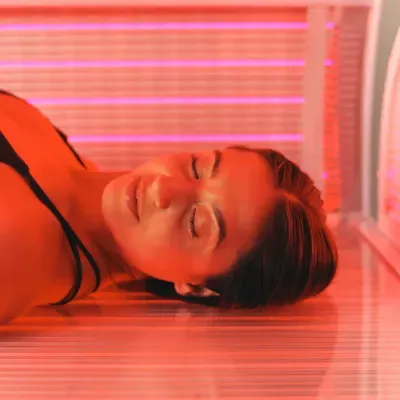
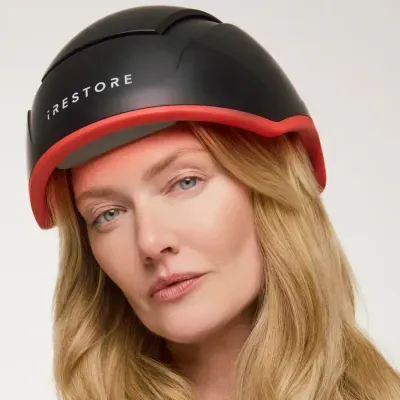
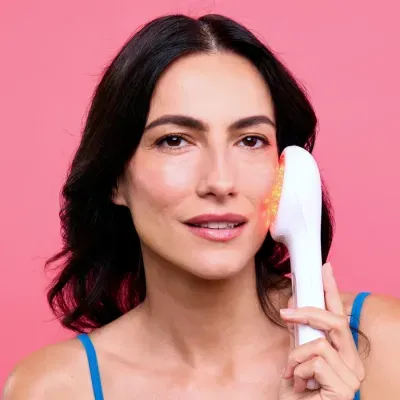
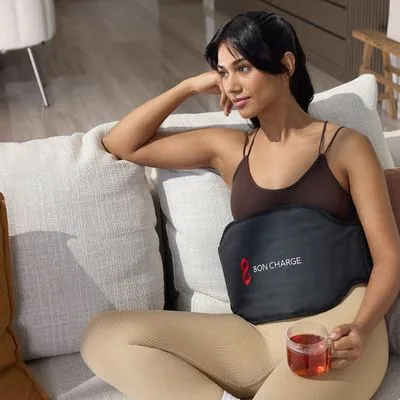
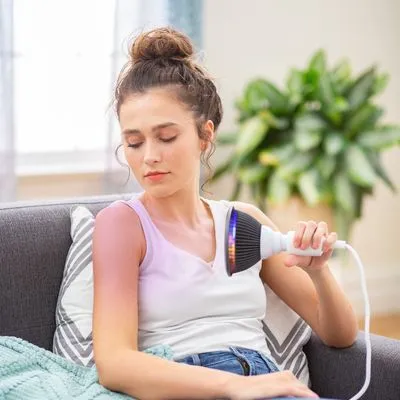
 55 of the 122 red light devices we track are FDA cleared, each with a 510(k) K number: 21 of 27 masks, 11 of 38 panels, 2 of 9 beds and mats, 13 of 15 hair devices, 8 of 15 wands, 0 of 14 wraps and pads and 0 of 4 bulbs and lamps. 42 are listed as Class II devices, with no 510(k). For 9 more, the brands say they are cleared, but no matching 510(k) was found. No FDA record was found for 16. FDA records checked Oct 6, 2026.
Nothing in red light therapy is "approved" by the FDA as such. The FDA clears specific devices for specific uses through a 510(k), and in this list that means two uses almost every time: wrinkle reduction (40 devices) or hair growth in androgenetic alopecia (17 devices). Of the 38 panels, only Celluma's 11 flexible ones have a 510(k).
All red light devices
Checked Oct 6, 2026FDA 510(k) and registration databases · checked Oct 6, 2026FDA records checked Oct 6, 2026. Prices checked on Oct 8, 2026 on brand sites.
LED masks: the detailed 510(k) listCleared, listed, approved: what the words mean
FDA cleared
A 510(k) asks the FDA to agree that a device is "substantially equivalent" to one already legally on the market. If it agrees, the FDA's order letter "clears" the device for sale (FDA). The clearance covers only the uses written in that device's Indications for Use.
FDA registered or listed
Companies that make or import devices for the US register with the FDA every year and list what they sell. Nobody reviews the device for that. The FDA's own words: the database entry "does not denote approval, clearance, or authorization of that facility or its medical devices" (FDA).
Approved
Premarket approval (PMA) is the FDA's full review of safety and effectiveness, used for Class III, the highest-risk devices (FDA). Every device here is Class II, so "approved" is simply the wrong word for any of them.
What each clearance is actually for
Every cleared device in the table sits under at least one of four FDA product codes, and some carry several. The code tells you what kind of claim the FDA looked at. The exact wording for each device is in its 510(k) summary, linked from the K number.
| Code | What the FDA calls it | Devices | Where to compare them |
|---|---|---|---|
| OHS | "light based over the counter wrinkle reduction" | 40: 20 masks, 7 wands, 1 mat, 11 panels and 1 hair device | FDA-cleared masks, in detail; wands |
| OLP | "over-the-counter powered light based laser for acne" | 13: Omnilux Clear, Solawave Bye Acne: 3-Minute Pimple Spot Treatment and 11 Celluma devices | Omnilux Clear review |
| OAP | "laser, comb, hair" | 17: 12 hair caps, helmets and combs and 5 Celluma devices | hair growth devices |
| ILY | "lamp, infrared, therapeutic heating" | 15: LightStim LED Bed Pro and 14 Celluma devices | beds and mats; Celluma review |
The OHS definition is broader than "face": the FDA describes it as light "to reduce wrinkles on the body in general or specific anatomical locations." That's how the HigherDOSE Full Body Red Light Mat (K241947, Mar 3, 2025) carries the same wrinkle code as the face masks.
Pain is where people expect a clearance and mostly won't find one. Under ILY, the infrared heating-lamp code, the cleared devices here are the LightStim LED Bed Pro (K153399, Jul 5, 2016), a $55,000 professional bed, and 14 flexible Celluma devices. Celluma's K152280 words that use as heat: "topical heating for the purpose of elevating tissue temperature; for the temporary relief of minor muscle and joint pain, arthritis and muscle spasm." That's a heating-pad claim, not a claim about healing tissue. More in the Celluma review.
Why most panels aren't on this list
25 of the 38 panels are registered and listed with the FDA as Class II devices with no 510(k), 24 of them under product code ILY. That's legal. In the FDA's classification database, ILY is marked "510(K) Exempt," and the regulation behind it, 21 CFR 890.5500, exempts an "infrared therapeutic heating lamp" from premarket notification, within the limits set in § 890.9. So a panel can be sold without the FDA ever looking at it.
Celluma is the exception, and its panels are a different kind of product: flexible LED pads made by BioPhotas. BioPhotas filed its own 510(k)s: for wrinkles (K171323), for acne and heat-based pain relief (K152280) and for hair growth (K211038); the newer SPORT, NOVA, CONTOUR PLUS, CONTOUR and ELITE point to a later family clearance, K232977. Which clearance covers which Celluma model is laid out in the Celluma review.
The trouble is the wording on the box. PlatinumLED, for example, calls the BioMax an "official FDA Class II Registered Medical Device." Registration is real, but it says nothing about how well the panel works. The FDA addresses that phrasing directly: "Such words may be used to mislead you." Asked whether "registered" equals approval or clearance, its answer is "The short answer is NO" (FDA). And 21 CFR 807.39 says any representation that "creates an impression of official approval because of registration" is misbranding.
The rest: Kala Red Light Pro Panel (brand says cleared, not confirmed) and Kala Red Light Elite Panel (brand says cleared, not confirmed). For panels, a missing clearance tells you little either way. Output, distance and price tell you more, and that's how the panel comparison ranks them.
The brand says cleared; I couldn't find it
For 9 devices, the brand says FDA-cleared, but I couldn't tie the claim to a 510(k) record: Dr. Dennis Gross DRx SpectraLite FaceWare Pro, Hooga Luma LED Red Light Therapy Mask, Kala Red Light Pro Panel, Kala Red Light Elite Panel, Dr. Dennis Gross DRx SpectraLite EyeCare Max Pro, Dr. Dennis Gross DRx SpectraLite LipWare Pro, Dr. Dennis Gross DRx SpectraLite BodyWare Pro, Kala Therapy Hat (KALA-91) and dpl Flex Pad. I searched the FDA's 510(k) and listing records by brand, product name and any K number the brand gives.
Two of these cases look different up close. Kala calls its panels "FDA Cleared" without naming a K number, and Kala's own 510(k)s on record cover its mini device, wand and face mask, not a panel. Hooga does name one for the Luma LED Red Light Therapy Mask: K253712. That clearance exists, but it was filed by Shenzhen Rainbow Technology Co., Ltd. for "LED Light Therapy Mask (RB-051, RB-061, RB-071, RB-052, RB-062, RB-072, RB-053, RB-063, RB-073)," and the products listed under it carry other names. Nothing on record links the Hooga mask to those model numbers. It may be the same device; the paperwork doesn't show it.
Until a brand closes that gap, the table marks the device "not confirmed." If you're about to buy one, ask the brand which K number and model number cover it, then look it up (steps below).
Another 16 devices have no FDA record I could find at all. Some brands say so openly: Hooga calls its blanket "a wellness device, not an FDA-cleared medical device." Rouge goes the other way and calls its Horizon Red Light Therapy Bed "FDA Certified." The FDA's answer to that one is short: "The FDA does not 'certify' devices" (FDA).
Same factory, different names
A 510(k) is often filed by the contract manufacturer, not the brand you buy from. Of the 55 cleared devices here, 11 were filed by Shenzhen Kaiyan Medical Equipment (HigherDOSE, Solawave, Kala and CurrentBody) and 5 by Light Tree Ventures Europe (CurrentBody, Bon Charge, Qure Skincare and Mito Red Light). The HigherDOSE mask, for instance, appears in the FDA record as "HIGHERDOSE Red and Infrared Light Mask (MK66-L)," filed by Shenzhen Kaiyan Medical Equipment Co., Ltd.
One clearance can also cover many products. In the FDA listing database, 40 product names point to K221775, from 9 registered companies. Among them: the Bon Charge Red Light Face Mask, the Mito Red Light MitoGLOW LED Face Mask and a CurrentBody anti-acne mask. K191629, the clearance behind the Omnilux Contour Face, has 24 names listed under it.
What that means for you: two masks under one K number were both declared to fit that clearance. It doesn't mean they share LEDs, power or build. Compare the specs, not the K number.
Solawave's newer mask clearances, and a spot device listed under a 510(k) filed for another company's handheld, are in the Solawave review.
How to check any device yourself
- Find the K number. It's a K followed by six digits, usually in the manual, on the box or on the brand's FAQ page. No K number anywhere is already an answer.
- Look it up. Paste it into the "510K Number" box of the FDA 510(k) database. Check the applicant, the device name, the decision date and the decision, which should read "SUBST EQUIV (SESE)." The linked summary PDF has the Indications for Use: what the device is cleared to do.
- Brand name missing? Search by the model number from the manual, or by "Applicant Name." Many filings carry the factory's name, as above.
- Only "FDA registered"? Search the product name in the registration and listing database ("Proprietary Name"). A listing with a product code and no 510(k) number means listed, not cleared.
- Check the code. The product classification database shows whether a code needs a 510(k). OHS, OLP and OAP do; ILY doesn't.
- Ignore certificates. "The FDA does not issue any type of device registration certificates to medical device facilities" (FDA). A certificate photo on a product page proves nothing.
Every row on this page was checked this way against FDA records on Oct 6, 2026.
Questions people ask
Is red light therapy FDA-cleared?
Not as a treatment in general. Individual devices are cleared for specific uses: here, 55 home devices, mostly for wrinkles or hair growth. Each one's K number is in the table.
Which LED light therapy machines are approved by the FDA?
None. "Approved" means premarket approval, which is for Class III devices. Red light devices are Class II and get a 510(k) clearance instead. If a brand says the FDA "approved" its device, it's using the wrong term.
What is the best FDA-cleared red light therapy device?
Clearance tells you the FDA accepted a device for a use; it doesn't rank devices. For a ranking that also weighs specs, price and warranty, see the best red light therapy devices.
How do I know if my red light therapy device is legit?
Find its K number and look it up in the FDA 510(k) database; the record should name your device or its model number. "FDA registered" alone means listed, not reviewed. The steps above take a few minutes.